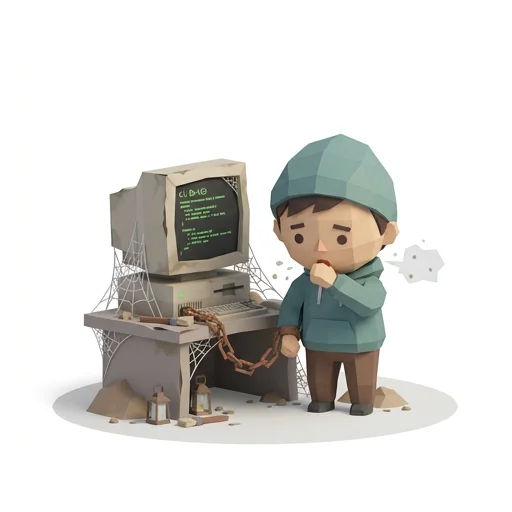
REFUSE
The Refactoring Addict
You see bad code, your hands itch. After refactoring, you realize you made it worse.
Dimension Pattern
It's not that you won't work overtime — it depends on the situation, mainly whether there's free dinner.
Normal hours, occasional crunch, not quite death-march territory.
A little ambition, but not much — enough to cover the mortgage.
A single misaligned space keeps you up at night.
If it's fixable, fix it. If not, mark it Won't Fix.
Seeing tech debt feels like seeing a credit card bill — must pay it off immediately.
On the surface it's "got it," internally it's maximum roasting.
Collaborate when needed, solo when needed — introvert-extrovert switch on demand.
Wearing the mask most of the time, occasionally letting a genuine curse slip.
Occasional anxiety, but nothing a bubble tea can't fix.
You know your strengths and limits — no ego trips, no self-pity.
Content with the status quo — why switch jobs? It's all the same grind everywhere.
AI? Let's wait and see — let others be the guinea pigs first.
Proactively learning new tech — chasing GitHub stars harder than chasing TV shows.
Got ideas but no action — plans stuck in the notes app forever.
Personality Profile
The following is a stylized description of this personality type, written in the original author's uniquely humorous voice.
Congrats, you've tested as [The Refactoring Addict]. See bad code, hands start itching — you must refactor. Then you discover the refactored version is even worse, plus a dozen new bugs. Your life motto is "old code must die," but reality keeps delivering "new code is even worse." You're not a neat freak — you're late-stage OCD. Every refactor is like digging your own grave, then jumping in. Colleagues say you have standards; really you just can't stand looking at that pile of garbage. Advice: before refactoring, ask yourself three questions: 1. Do I have time? 2. Does the boss approve? 3. Will it be even worse after? The answer is usually NO.
Find Your Developer Type
Answer 31 questions to discover your developer personality type
Start TestExplore Other Personality Types